
Donate to the Lebanese Red Cross
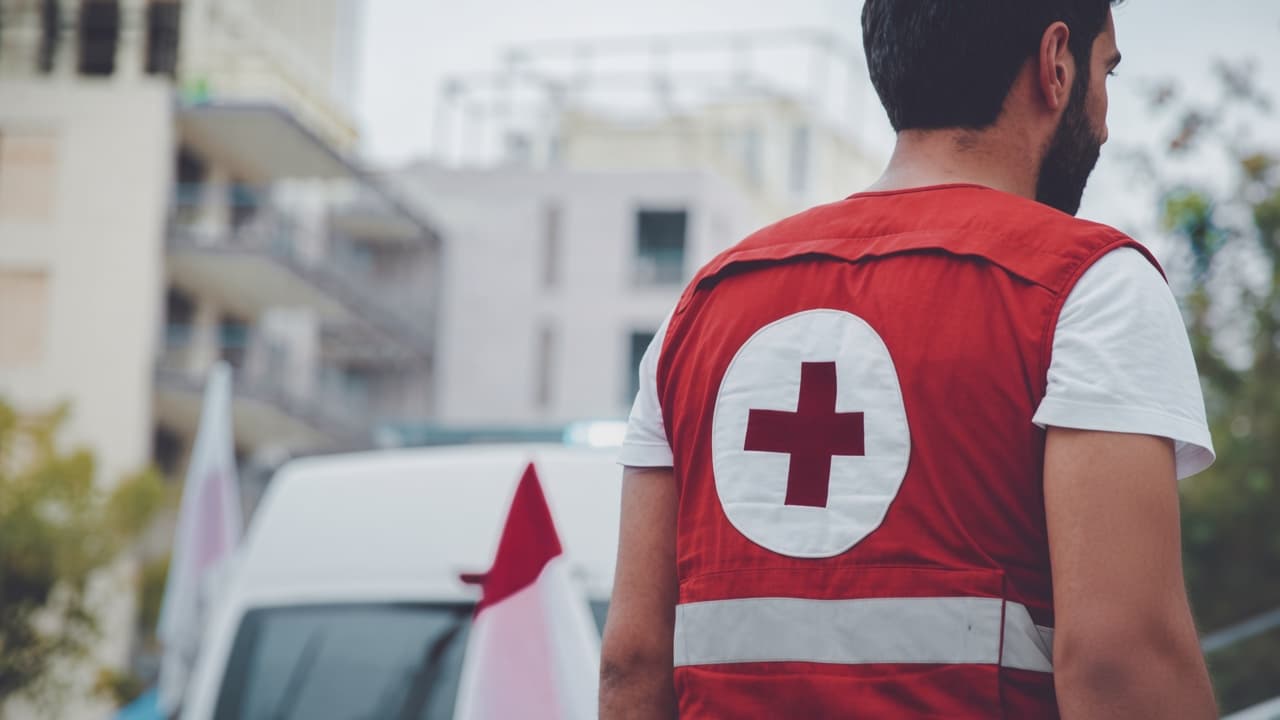
Lebanese Red Cross
Donate
Help us save lives
Quick donationCivil society directory
Explore 254 organisations in Lebanon working in Health. Search by name or job title, filter by type or sector, and open a profile for address, phone, email, jobs, and map.
Showing 12 of 254 organisations · Page 8 of 22
Lebanese Red Cross
Donate
Help us save lives
Quick donation
Lebanese Civil Defense
Equip Lebanon's
First responders
DonateDonations open the official Lebanese Red Cross and Civil Defense campaigns. We do not process payments on this site.
Ibad Al-Rahman Center Gregorius Haddad, Barbour Beirut , Beirut Lebanon
الرسالة : تنشئة أجيالٍ مؤمنةٍ متخلّقةٍ بأخلاق الرسول صلى الله عليه وسلم، معتمدةٍ على نفسها، قادرةٍ على خدمة دينها ومجتمعها، وذلك عبر تهيئتها دينيّاً وتربويّاً وثقافيّاً واجتماعياً، وعبر الدعوة إلى مكارم الأخلاق وتفعيل التكافل الاجتماعي والتعاون مع كل من يريد الخير، وتأمين البيئة المناسبة لزيادة وعي المجتمع دينيّاً وإنسانيّاً وثقافيّاً. رؤية: تتطلّع الجماعة إلى الوصول إلى مجتمع مؤمن متكافل، يعرف دينه ويتخلّق بالأخلاق السامية. ميادين العمل: العمل الثقافينؤمن البيئة المناسبة لزيادة الوعي دينياً وإنسانياً وثقافياً عبر مكتبة عامة تضم أكثر من90,000 كتاب، ومدرسة تضم أكثر من 450 تلميذ، ومطبوعات متنوعة ومحاضرات شهرية. العمل الخيريننشر الخير والتكافل في المجتمع عبر العمل الإغاثي وتوزيع الخبز والذبائح والأضاحي. كما نقوم بحفر الآبار وتأهيل المساجد. ونقوم بكفالة طلاب العلم الديني وتقديم القروض الحسنة ونساعد في تقديم الدعم النفسي ومعالجة الصعوبات التعلمية. العمل الاجتماعينعمل على تحقيق أهداف التنمية المستدامة ونخدم مجتمعنا عبر إعادة التدوير، إعادة الاستعمال، خدمة التوظيف والتطوع في مختلف المجالات. العمل الزكوي - رمضاننقوم بخدمة جمع وتوزيع الزكاة على مستحقيها في رمضان عبر مجموعة من المشاريع مثل الحصص الغذائية، وجبات مطبوخة، إفطارات، كسوة العيد، زكاة الفطر. العمل الزكوي – البرنامج السنوينقوم بإدارة أموال الزكاة على مدار السنة عبر توزيع الحصص الغذائية، الملابس والتجهيزات الجديدة والمستعملة، الكتب المدرسية والقرطاسية، وكفالات أيتام وعائلة وطلاب علم. بالإضافة إلى التقديمات الطبية. مركز العباد للتدريبيقيم المركز دورات في التطوير الاداري والتقني والمهني والتربوي، بالاضافة إلى دورات لغات وتدريب أسري اجتماعي. العمل التربويتقوم جماعة عباد الرحمن بتنشئة أجيال مؤمنة متخلقة بمكارم الأخلاق، معتمدة على نفسها من أجل بناء مستقبل أفضل، وذلك عبر أقسامها التربوية في مفوضية الكشافة العامة ونادي العباد الرياضي ومدرسة القرآن الكريم. كما تقيم دورات تربوية صيفية وشتوية وأيام ترفيهية في الأعياد الإسلامية. Mission: We strive to raise generations of believers with ethics similar to those of our prophet Muhammad (peace be upon him), who are self-dependent, capable of serving their religion and society. This is to be done through enabling them religiously, educationally, culturally and socially. We also promote the highest ethical standards, activate social solidarity, cooperate with all those who work for the good of the society and provide the appropriate environment to raise the awareness of the community religiously, humanely and culturally Vision: We aspire to reach an interdependent, faith-based society that knows its religion and abides by supreme morality. The domains of work: Spreading knowledge:Spreading cultural and religious awareness through a library of more than 90,000 books, a school with more than 450 students, various publications, and periodic lectures. Charity WorkWe spread solidarity and assistance throughout the community by relief work, bread distribution, Zabiha and Adahi projects. We also support digging water wells and Masjid renovation. We also sponsor religious studies and provide interest free loans in addition to helping in psychological support and special education. Community serviceAdopting sustainable development goals and supporting our community through recycling and reusing projects, an employment office and organizing volunteering services. Zakat Management – RamadanChanneling zakat donations to those in need by providing them with Food portions, cooked meals, Eid clothes, and zaket fitr. In addition, we hold a number of Iftars. Zakat Management – Annual programWe manage Zakat funds throughout the year by distributing food portions, new and used clothes and house appliances, school books and stationary, sponsorship of orphans and families, in addition to medical assistance and student scholarships. Youth programsWe strive to raise a generation of leaders with the highest moral standards, ethics and independence through our carious youth programs: Ibad Al-Rahman Scouts Association, Ibad Sporting Club, Quran School. In addition, we hold summer and winter courses and hold Eid fairs during Fitr and Adha Holidays. Ibad Training CenterThe center offers training workshops in management, computer, vocational skills, education, social skills. In addition, the center holds language courses.
Ali Al-Khalil Street Tyr Lebanon
The Imam Sadr Foundation (ISF) is a local non-profit, non-governmental association, ISF has historically focused on improving access of the poor to their basic rights in social, health and educational services. It also has led efforts to promote tolerance and interaction between communities and religions.The Foundation is championing the development and empowering women in Lebanon, continuously raising the ceiling of their potential through evolving and innovative social services. We envisage a world free of ignorance, poverty, disease and conflict where each individual is invited to participate in the development of their own communities and enjoy equal rights regardless of their faith, gender or any other differences.Education is one of the major pillars of ISF’s current developmental programs. While pre-school, elementary and vocational education is directly provided by ISF, secondary and university education is ensured through the public education sector. The ISF Nursing School has enabled hundreds of graduates to find gainful employment and, hence, become economically independent. Other vocational training programs designed to meet market needs have scored similar success.The Health Department focuses on relatively remote areas. Mobile clinics and six dispensaries serve the most deprived population of the former frontline villages.ISF’s provisions for orphans and educational programs have helped to decrease deeply-rooted social and economic problems, such as family violence, absolute poverty, and dysfunctional families.Since its inception in the early sixties, the ISF has demonstrated commitment and involvement in addressing the short and long-term needs of women in relation to rights to education, health care and employment. The ISF’s direct interventions in this respect have been in the specific areas of literacy and education and care to orphans and children from ultra-poor families.ISF strives to foster and encourage understanding and interaction between communities and religions. As such, the Foundation has organized various inter-community events and has facilitated dialogue between people with differing views and stances.
Mar Youhana Hospital street, 16-7155 Sad el Bouchrieh , Mount Lebanon Lebanon
Established in 1998 by a group of dedicated human rights activists, INSAN Association is a Lebanese non-profit organization officially registered with the Ministry of Justice under number 390/cs (Beirut) and with the Ministry of Interior under number 2251. INSAN works to protect and promote the rights of the most marginalized individuals, families, and children living in Lebanon — including refugees, migrant workers, asylum seekers, stateless persons, and vulnerable members of host communities. The organization operates without discrimination of any kind, regardless of ethnicity, nationality, gender, social origin, religion, political opinion, or other status. Over the years, INSAN has supported beneficiaries of diverse nationalities, including Lebanese, Syrian (including Kurdish and Turkmen Syrians), Palestinian, Iraqi, Jordanian, Egyptian, Filipino, Indian, Pakistani, Bangladeshi, Sri Lankan, Ethiopian, Sudanese, Nigerian, Ghanaian, Cameroonian, Malagasy, and others. Many of those served live in extremely difficult conditions marked by severe poverty, lack of legal status, social isolation, and systemic discrimination. Excluded from formal systems, they often struggle to access their most basic rights and essential services. Through a comprehensive and integrated approach — encompassing educational, psychosocial, and legal support services, as well as advocacy and awareness-raising initiatives — INSAN seeks to empower vulnerable communities, enabling them to reclaim agency over their lives and realize their full potential. INSAN places particular emphasis on child protection. The organization firmly believes that every child has the right to live free from abuse, exploitation, neglect, and discrimination. The children benefiting from INSAN’s services often face insecurity, instability, and hardship. In response, INSAN is committed to providing a safe and protective environment. Its Child Protection Policy clearly outlines the measures taken to safeguard the well-being and dignity of every child under its care.
n/a 116-2478 Palace of Justice Beirut , Beirut Lebanon
Contribute in building legal and judicial culture, develop society,enhance the methods of protecting intellectual property, prepare researches, etc.
Monaco , Fontvieille Monaco
The Government of the Principality’s international development policy, which prioritises combatting poverty, is especially interested in the first eight SDGs and their focus on people, through with four main themes: Health, Food security, Socio-economic inclusion, Education.The most vulnerable populations are the core target of Monaco’s international development policy. They include children, women, people with disabilities, refugees and so on.
Qanater Zbeidi P.O Box 113-5233 Hazmieh, Greater Beirut , Mount Lebanon Lebanon
1 open job
The International Federation of Red Cross and Red Crescent Societies (IFRC) is the world's largest humanitarian organization, providing assistance without discrimination as to nationality, race, religious beliefs, class or political opinions.Founded in 1919, the IFRC comprises 187 member Red Cross and Red Crescent National Societies, a secretariat in Geneva and more than 60 delegations strategically located to support activities around the world. There are more societies in formation. The Red Crescent is used in place of the Red Cross in many Islamic countries.The IFRC vision: To inspire, encourage, facilitate and promote at all times all forms of humanitarian activities by National Societies, with a view to preventing and alleviating human suffering, and thereby contributing to the maintenance and promotion of human dignity and peace in the world.The role of the IFRCThe IFRC carries out relief operations to assist victims of disasters, and combines this with development work to strengthen the capacities of its member National Societies. The IFRC's work focuses on four core areas: promoting humanitarian values, disaster response, disaster preparedness, and health and community care. Further details of this work can be found in the What we do section.The unique network of National Societies - which cover almost every country in the world - is the IFRC's principal strength. Cooperation between National Societies gives the IFRC greater potential to develop capacities and assist those most in need. At a local level, the network enables the IFRC to reach individual communities.The role of the secretariat in Geneva is to coordinate and mobilize relief assistance for international emergencies, promote cooperation between National Societies and represent these National Societies in the international field.The role of the field delegations is to assist and advise National Societies with relief operations and development programmes, and encourage regional cooperation.The IFRC, together with National Societies and the International Committee of the Red Cross, make up the International Red Cross and Red Crescent Movement.
Sin El Fil, Horsh Tabet, Beirut Hall Beirut , Beirut Lebanon
4 open jobs
International Medical Corps is a global humanitarian nonprofit dedicated to saving lives and relieving suffering through health care training and relief and development programs. Established in 1984, it improves quality of life through health interventions that build local capacity in underserved communities worldwide.
NA Beirut , Beirut Lebanon
INARA is a 501(c)(3) nonprofit organization that provides essential medical and mental health support to children affected by human-induced or natural disasters. Founded in 2015, INARA operates in Lebanon, Palestine, Egypt, Afghanistan, Ukraine, Syria, and Türkiye, with plans to expand into Sudan and Yemen. The organization's areas of intervention include comprehensive medical services, mental health and psychosocial support, education in emergencies, economic empowerment, WASH (Water, Sanitation, and Hygiene) initiatives, and rapid emergency response. INARA emphasizes long-term care, ensuring that children receive continuous treatment and rehabilitation. Mental health programs focus on addressing trauma through therapy, psychoeducation, and community-based support. Educational initiatives offer remedial learning, teacher training, and community-led schooling for displaced children. Economic empowerment programs provide vocational training and entrepreneurship support to help reduce dependency on humanitarian aid. WASH interventions aim to secure clean water, sanitation, and hygiene facilities to prevent disease outbreaks. Additionally, INARA's emergency response efforts include the rapid deployment of medical teams, distribution of essential supplies, and crisis intervention.
IOM Nicolas Sursock street next to Chinese Embassy and Lycee National school Jnah , Beirut Lebanon
2 open jobs
Established in 1951, IOM is today a proactive,responsive and results-oriented intergovernmental organization dedicated to promoting humane and orderly migration worldwide by serving the policy and programme needs of governments and migrants
Naccache Street, Achrafieh Beirut , Beirut Lebanon
3 open jobs
Our workThe International Rescue Committee responds to the world’s worst humanitarian crises and helps people whose lives and livelihoods are shattered by conflict and disaster to survive, recover, and gain control of their future. Our Impact In 2016, more than 26 million people benefited from IRC programs and those of its partner organizations. In 2016, the IRC and its partner organizations: Helped more than 24 million people gain access to primary and reproductive health care. Vaccinated more than 173,000 children under the age of one against measles. Supported 2,507 clinics and health facilities that helped 171,000 women deliver healthy babies. Supported more than 21,000 community health workers to treat communicable diseases in children under age 5 and treated more than 186,000 children under the age of five for acute malnutrition. Gave 3.8 million people access to clean drinking water or sanitation. Provided schooling and educational opportunities to more than 1.5 million children; trained more than 33,000 educators and supported more than 11,000 schools. Provided counseling, care and support to more than 42,000 vulnerable children and trained more than 2,200 child protection workers. Created or supported 2,000 village savings and loan associations that benefited more than 58,000 members who saved more than $2.4 million. Helped more than 4,000 people access financial services. Trained some 15,000 farmers in agriculture and agribusiness, and provided almost 40,000 farmers with access to markets and farm resources including seeds and fertilizers. Provided job-related skills training to more than 53,000 people. Helped create or support 40,000 businesses. Provided cash and asset transfers to more than 227,000 individuals and displaced households, 46 percent of whom were women. Provided counseling and health, social and legal services to more than 14,400 survivors of gender-based violence (GBV) and reached some 1.8 million people with community-based gender-based violence prevention efforts. Offered legal assistance to more than 37,000 people; trained 27,394 people in the principles of human rights and protection; offered information on preventing and responding to human rights abuses to more than 267,000 people. Trained over 31,300 people in the principles of governance (improving government accountability) and provided information on governance to more than 156,400 people. Through the Resettlement Support Center in Thailand assisted more than 13,000 refugees from East Asia to resettle in the United States. In the United States, helped resettle 13,400 newly arrived refugees Since the start of the Syrian conflict in 2011, Lebanon has taken in over 1 million refugees. Syrians now constitute almost a third of the country’s population. With no formal refugee camps in Lebanon, Syrians are living in cramped apartments, unfinished buildings and tents. Currently, humanitarian services are unable to keep up with needs as refugees deplete their resources. What are the main humanitarian challenges in Lebanon?Seven out of 10 Syrian refugees in Lebanon live in extreme poverty. Meanwhile, host communities, many of them already poor, have seen living conditions deteriorate in their neighborhoods. Approximately 200,000 Syrian children in Lebanon do not attend school. Those who do make it back into the classroom often need extra support because of years of lost education. Many children have experienced trauma and require emotional support. Women and girls, specifically, are at risk of violence and exploitation in daily life, and many cannot access the services and support they need. How does the IRC help in Lebanon?The IRC’s mission is to provide emergency aid and other support to refugees living in unsafe conditions. The IRC also assists vulnerable communities that host refugees. We began our work in Lebanon in 2012 as Syrian refugees began fleeing the civil war. We have been providing economic support, legal services, education and protection for the most vulnerable, including the elderly and people with disabilities. The IRC is working in all areas of the country to support refugee and host communities by: operating classrooms and teacher training programs for thousands of Syrian children; providing Syrian refugees with cash assistance for basic needs; providing safe spaces for women and girls to gather, share information and receive emotional support, crisis counseling and social worker assistance; providing children with creative learning and therapeutic activities to help them recover from trauma and avoid working out in the streets; providing refugees and local communities with skills training, small business development and job placement; providing legal and information to refugees to help them access services and exercise their right to international protection. What still needs to be done?As the crisis pushes thousands of refugees into poverty and threatens their long-term social and economic health, the IRC’s work in Lebanon is more critical than ever. We pledge to put the needs of those most affected by crisis at the forefront of our efforts and to achieve measurable improvements in safety, empowerment, education, and economic well-being. Here’s a closer look at some of the work we will be doing over the next few years to achieve our goals. We will continue to support Syrians who have been forced from their homes, as well as underserved Lebanese. The IRC will also open and expand sites across Lebanon according to greatest need. IRC teams and partners currently reach almost 60,000 people in Lebanon with lifesaving support. Over the next several years, we will focus on the following areas: Safety As a leader in protection, the IRC will strengthen our efforts to stop child labor, identify violations of refugee rights, and provide legal services to those in need. We will also address the special needs of street children and women and girls at risk for abuse and isolation. Power The IRC will increase our efforts to empower refugees and improve their quality of life. We will work to strengthen relationships between host and refugee communities through dialogue and problem solving. We will also improve local capacity to provide social services by building local and national systems in case management and in family and labor law. Education The IRC will launch early childhood education services to help refugee children succeed in Lebanese public schools. Economic wellbeing The IRC will provide more skills training and create new partnerships with businesses that hire refugees. We will also help women and girls achieve equality with men and boys.
Kojok Center 5th floor Verdun - Saeb Salam St - Beirut - Lebanon Beirut , Beirut Lebanon
Islamic Relief (IR) is an international relief and development charity which envisages a caring world where people unite to respond to the suffering of others, empowering them to fulfil their potential. We are an independent Non-Governmental Organization (NGO) founded in the UK in 1984. Working in over 40 countries, we promote sustainable economic and social development by working with local communities to eradicate poverty, illiteracy and disease. We also respond to disasters and emergencies, helping people in crisis. Islamic Relief Lebanon (IRL) is a humanitarian INGO and one of Islamic Relief Worldwide field offices dedicated to alleviating poverty and suffering in Lebanon. IRL has been active since 2006 initiating different projects and activities to support needy people. By responding to disasters, rebuilding lives, and preparing people in case disaster strikes – we save lives before they are lost. In addition to providing disaster and emergency response, we promote sustainable economic and social development by working with local communities – regardless of race, religion, or gender.
saida Lebanon
Our vision is a world where everyone is free from economic and social inequality and sufferingOur mission is to bring hope and support to vulnerable children and their disadvantaged communities, empowering them for a brighter future. ISWA strives to address the root causes of poverty by providing education, food security, healthy living and housing, contributing to solutions that ensure all communities enjoy justice and well-being.Strategy: A comprehensive and inclusive approach to defending the dignity of the most vulnerable ones, regardless of their background, nationality, gender, religion, political opinions or beliefs.