
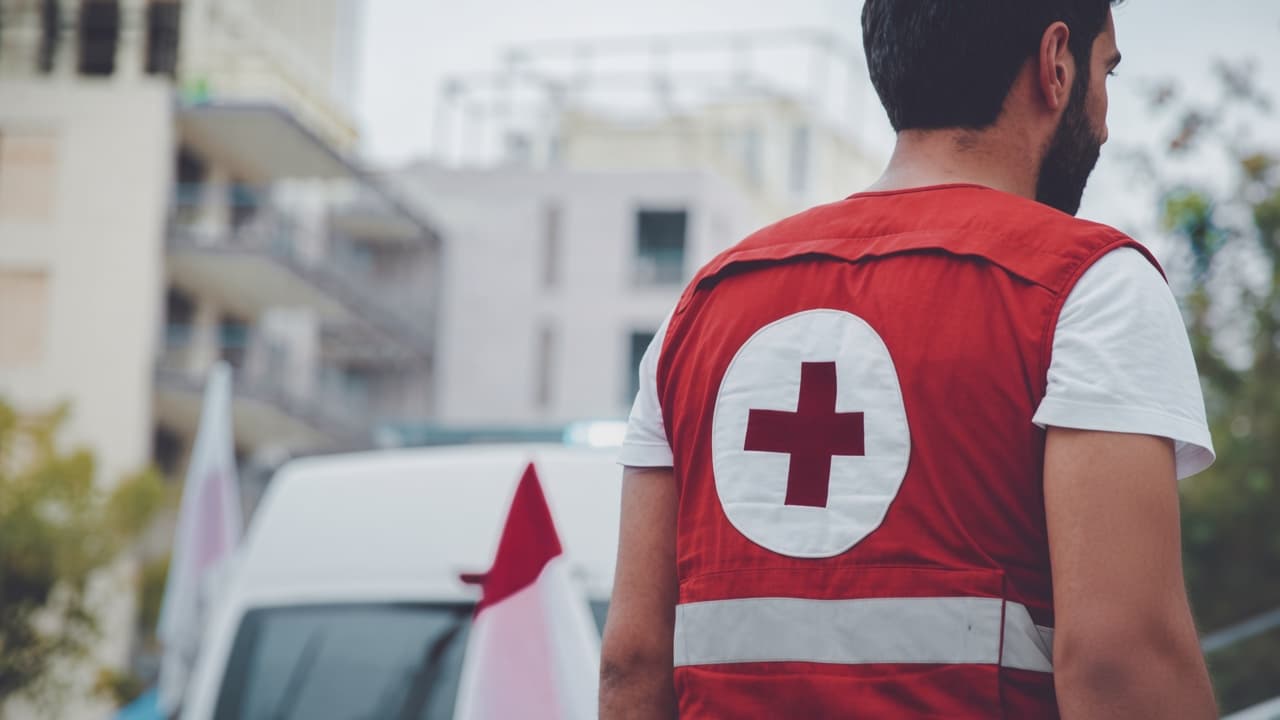
Donate to the Lebanese Red Cross
Lebanese Red Cross
Donate
Help us save lives
Quick donationCivil society directory
Explore 153 organisations in Lebanon working in Human Rights & Protection. Search by name or job title, filter by type or sector, and open a profile for address, phone, email, jobs, and map.
Showing 12 of 153 organisations · Page 6 of 13
Lebanese Red Cross
Donate
Help us save lives
Quick donation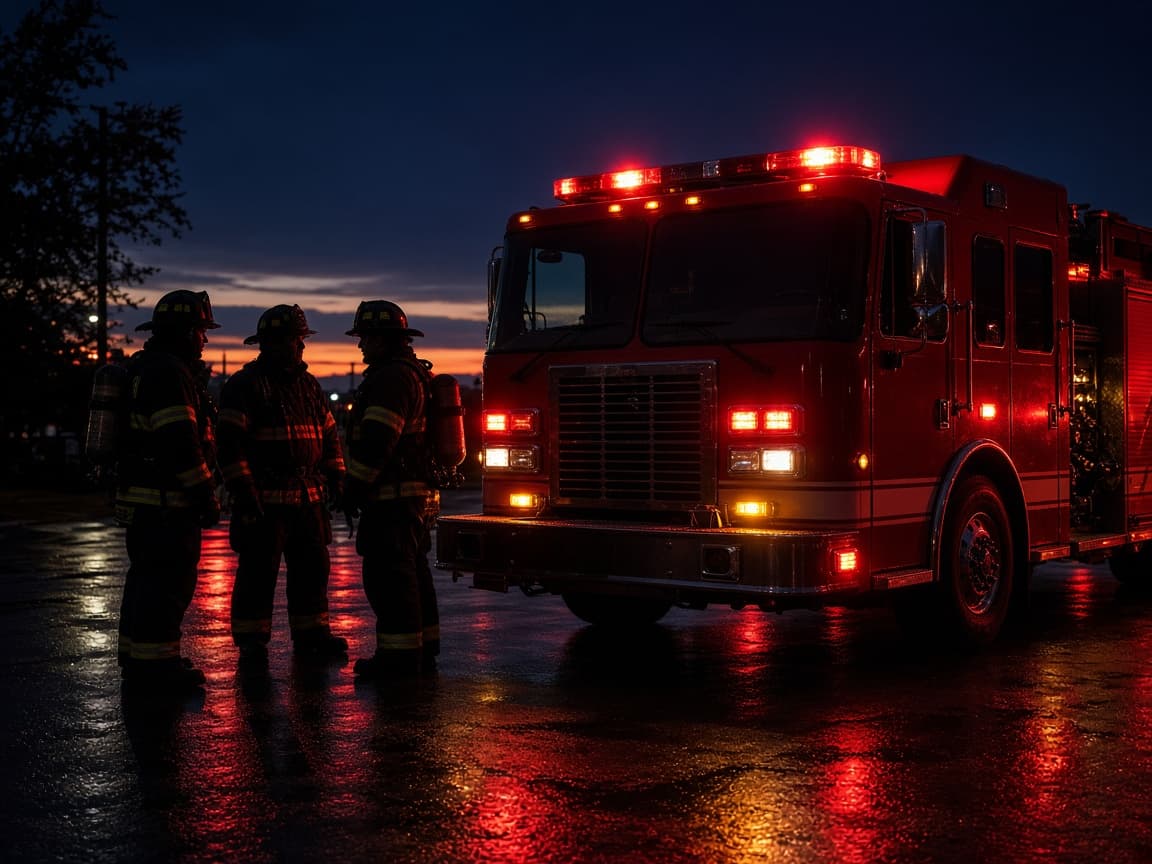
Lebanese Civil Defense
Equip Lebanon's
First responders
DonateDonations open the official Lebanese Red Cross and Civil Defense campaigns. We do not process payments on this site.
Shaar First Floor Toufic Salem Street-Ras Al Naba’- Beirut - Lebanon BEIRUT , Beirut Lebanon
HI is an independent and impartial aid organisation working in situations of poverty and exclusion, conflict and disaster. We work alongside people with disabilities and vulnerable populations, taking action and bearing witness in order to respond to their essential needs, improve their living conditions and promote respect for their dignity and fundamental rights. On January 24th 2018, the global Handicap International network became Humanity & Inclusion.This network is composed of a Federation which implements our programmes in the field in around sixty countries and of eight national associations.
Hekmeh Bld.-5th floor Baabda Street Facing Sagesse Brasilia School-Baabda Baabda , Mount Lebanon Lebanon
2 open jobs
ICU is an NGO (Non-Governmental Organization) that realizes development cooperation projects in developing countries and promotes information and education activities about international solidarity. ICU started in 1966, from an idea of some Italian teachers, in order to promote, at international level, the education and the science, using two main ways:• Human and social development in developing countries through international cooperation programs, focusing on education.• Diffusion of the idea of international cooperation as promotion of human dignity.ICU realized more than 420 cooperation projects in 35 countries in South America, Africa, Mediterranean countries and Near East, Eastern Europe and Asia.The main intervention sectors are:• University cooperation• Professional education• Health and Hygiene• Rural development• Woman promotion• Social development• Emergencies
First floor Main road, next to Hissa technical institute Hissa Lebanon
I’MPOSSIBLE is a not-for-profit organization established in August 2017 to help build sustainable, prosperous, and inclusive communities in the Akkar region through education support, youth empowerment, economic development and livelihoods.I’MPOSSIBLE believes in active community as the driving force towards development in its comprehensive sustainable concept.I’MPOSSIBLE aspires to open the eyes of people that they can achieve seemingly impossible things with their lives through Courage, Determination, Inspiration and Equality. Vision statement:Empower individuals and institutions to collaboratively build resilient, inclusive, and prosperous communities that endure in Lebanon Mission statement:To empower individuals and institutions in Lebanon to enhance education, health, protection, and livelihoods. Our focus is on children, youth, and women empowerment, achieved through advocacy and development programs. Our goal is to cultivate accountable citizens and promote sustainable community development.
Mar Youhana Hospital street, 16-7155 Sad el Bouchrieh , Mount Lebanon Lebanon
Established in 1998 by a group of dedicated human rights activists, INSAN Association is a Lebanese non-profit organization officially registered with the Ministry of Justice under number 390/cs (Beirut) and with the Ministry of Interior under number 2251. INSAN works to protect and promote the rights of the most marginalized individuals, families, and children living in Lebanon — including refugees, migrant workers, asylum seekers, stateless persons, and vulnerable members of host communities. The organization operates without discrimination of any kind, regardless of ethnicity, nationality, gender, social origin, religion, political opinion, or other status. Over the years, INSAN has supported beneficiaries of diverse nationalities, including Lebanese, Syrian (including Kurdish and Turkmen Syrians), Palestinian, Iraqi, Jordanian, Egyptian, Filipino, Indian, Pakistani, Bangladeshi, Sri Lankan, Ethiopian, Sudanese, Nigerian, Ghanaian, Cameroonian, Malagasy, and others. Many of those served live in extremely difficult conditions marked by severe poverty, lack of legal status, social isolation, and systemic discrimination. Excluded from formal systems, they often struggle to access their most basic rights and essential services. Through a comprehensive and integrated approach — encompassing educational, psychosocial, and legal support services, as well as advocacy and awareness-raising initiatives — INSAN seeks to empower vulnerable communities, enabling them to reclaim agency over their lives and realize their full potential. INSAN places particular emphasis on child protection. The organization firmly believes that every child has the right to live free from abuse, exploitation, neglect, and discrimination. The children benefiting from INSAN’s services often face insecurity, instability, and hardship. In response, INSAN is committed to providing a safe and protective environment. Its Child Protection Policy clearly outlines the measures taken to safeguard the well-being and dignity of every child under its care.
n/a 116-2478 Palace of Justice Beirut , Beirut Lebanon
Contribute in building legal and judicial culture, develop society,enhance the methods of protecting intellectual property, prepare researches, etc.
Al Mughrabi buiding - 8th floor Patriarch Hobeich Street Achrafieh Beirut , Beirut Lebanon
The International Centre for Migration Policy Development (ICMPD) was founded in 1993, upon the initiative of Austria and Switzerland. The organisation was created to serve as a support mechanism for informal consultations, and to provide expertise and efficient services in the newly emerging landscape of multilateral cooperation on migration and asylum issues. ICMPD’s Headquarters in Vienna play a central role in steering the strategic and operational direction of the organisation. In addition, the Brussels Mission strengthens ICMPD’s cooperation with the European Union and partner countries. ICMPD also operates a broad field presence, with 34 field and project offices coordinated through its Regional Offices across the organisation’s priority regions. This structure enables ICMPD to remain closely connected to developments on the ground and to deliver targeted support to its stakeholders. ICMPD has 21 Member States which form a Steering Group that exercise general supervision of ICMPD and approve strategic decisions. Decisions are taken based on the majority principle. The Steering Group is chaired by a different member state each year (rotation principle). The ICMPD Member States Programme (MSP) provides a structured framework for activities tailored specifically to the needs and priorities of ICMPD Member States. It supports national efforts to develop and implement effective migration policies by connecting Member States with the organisation’s thematic expertise, regional insights, and practical experience. The Programme serves both as a strategic platform for informal, solutions-oriented dialogue and peer-to-peer learning, as well as a gateway to ICMPD’s institutional expertise. Through this dual role, it enables Member States to access innovative practices, expert analysis, and outcomes from across ICMPD’s work.
Beirut , Beirut Lebanon
The International Center for Transitional Justice works to redress and prevent the most severe violations of human rights by confronting legacies of mass abuse. ICTJ seeks holistic solutions to promote accountability and create just and peaceful societies.To fulfill that mission, ICTJ links experience from its many field programs with its research in transitional justice. This allows ICTJ to develop, test and refine field practices and remain a research leader. ICTJ uses this knowledge to inform and advise governments, civil society and other stakeholders working on behalf of victims. It seeks to persuade those stakeholders, the media and the general public of the need for justice and accountability.
Naccache Street, Achrafieh Beirut , Beirut Lebanon
3 open jobs
Our workThe International Rescue Committee responds to the world’s worst humanitarian crises and helps people whose lives and livelihoods are shattered by conflict and disaster to survive, recover, and gain control of their future. Our Impact In 2016, more than 26 million people benefited from IRC programs and those of its partner organizations. In 2016, the IRC and its partner organizations: Helped more than 24 million people gain access to primary and reproductive health care. Vaccinated more than 173,000 children under the age of one against measles. Supported 2,507 clinics and health facilities that helped 171,000 women deliver healthy babies. Supported more than 21,000 community health workers to treat communicable diseases in children under age 5 and treated more than 186,000 children under the age of five for acute malnutrition. Gave 3.8 million people access to clean drinking water or sanitation. Provided schooling and educational opportunities to more than 1.5 million children; trained more than 33,000 educators and supported more than 11,000 schools. Provided counseling, care and support to more than 42,000 vulnerable children and trained more than 2,200 child protection workers. Created or supported 2,000 village savings and loan associations that benefited more than 58,000 members who saved more than $2.4 million. Helped more than 4,000 people access financial services. Trained some 15,000 farmers in agriculture and agribusiness, and provided almost 40,000 farmers with access to markets and farm resources including seeds and fertilizers. Provided job-related skills training to more than 53,000 people. Helped create or support 40,000 businesses. Provided cash and asset transfers to more than 227,000 individuals and displaced households, 46 percent of whom were women. Provided counseling and health, social and legal services to more than 14,400 survivors of gender-based violence (GBV) and reached some 1.8 million people with community-based gender-based violence prevention efforts. Offered legal assistance to more than 37,000 people; trained 27,394 people in the principles of human rights and protection; offered information on preventing and responding to human rights abuses to more than 267,000 people. Trained over 31,300 people in the principles of governance (improving government accountability) and provided information on governance to more than 156,400 people. Through the Resettlement Support Center in Thailand assisted more than 13,000 refugees from East Asia to resettle in the United States. In the United States, helped resettle 13,400 newly arrived refugees Since the start of the Syrian conflict in 2011, Lebanon has taken in over 1 million refugees. Syrians now constitute almost a third of the country’s population. With no formal refugee camps in Lebanon, Syrians are living in cramped apartments, unfinished buildings and tents. Currently, humanitarian services are unable to keep up with needs as refugees deplete their resources. What are the main humanitarian challenges in Lebanon?Seven out of 10 Syrian refugees in Lebanon live in extreme poverty. Meanwhile, host communities, many of them already poor, have seen living conditions deteriorate in their neighborhoods. Approximately 200,000 Syrian children in Lebanon do not attend school. Those who do make it back into the classroom often need extra support because of years of lost education. Many children have experienced trauma and require emotional support. Women and girls, specifically, are at risk of violence and exploitation in daily life, and many cannot access the services and support they need. How does the IRC help in Lebanon?The IRC’s mission is to provide emergency aid and other support to refugees living in unsafe conditions. The IRC also assists vulnerable communities that host refugees. We began our work in Lebanon in 2012 as Syrian refugees began fleeing the civil war. We have been providing economic support, legal services, education and protection for the most vulnerable, including the elderly and people with disabilities. The IRC is working in all areas of the country to support refugee and host communities by: operating classrooms and teacher training programs for thousands of Syrian children; providing Syrian refugees with cash assistance for basic needs; providing safe spaces for women and girls to gather, share information and receive emotional support, crisis counseling and social worker assistance; providing children with creative learning and therapeutic activities to help them recover from trauma and avoid working out in the streets; providing refugees and local communities with skills training, small business development and job placement; providing legal and information to refugees to help them access services and exercise their right to international protection. What still needs to be done?As the crisis pushes thousands of refugees into poverty and threatens their long-term social and economic health, the IRC’s work in Lebanon is more critical than ever. We pledge to put the needs of those most affected by crisis at the forefront of our efforts and to achieve measurable improvements in safety, empowerment, education, and economic well-being. Here’s a closer look at some of the work we will be doing over the next few years to achieve our goals. We will continue to support Syrians who have been forced from their homes, as well as underserved Lebanese. The IRC will also open and expand sites across Lebanon according to greatest need. IRC teams and partners currently reach almost 60,000 people in Lebanon with lifesaving support. Over the next several years, we will focus on the following areas: Safety As a leader in protection, the IRC will strengthen our efforts to stop child labor, identify violations of refugee rights, and provide legal services to those in need. We will also address the special needs of street children and women and girls at risk for abuse and isolation. Power The IRC will increase our efforts to empower refugees and improve their quality of life. We will work to strengthen relationships between host and refugee communities through dialogue and problem solving. We will also improve local capacity to provide social services by building local and national systems in case management and in family and labor law. Education The IRC will launch early childhood education services to help refugee children succeed in Lebanese public schools. Economic wellbeing The IRC will provide more skills training and create new partnerships with businesses that hire refugees. We will also help women and girls achieve equality with men and boys.
Tayouneh Sami Solh Boulevard Beirut , Beirut Lebanon
2 open jobs
INTERSOS is a non-profit humanitarian aid organisation that works to bring assistance to people in danger, victims of natural disasters and armed conflicts. Established in 1992 with support from the Italian Federation of Trade Unions, its actions are based on the values of solidarity, justice, human dignity, equal rights and opportunities for all people and respect for diversity and coexistence, paying particular attention to the most vulnerable and the unprotected. INTERSOS identifies with the core values of CONCORD, the European Confederation of NGOs; it adheres to international codes of conduct for humanitarian organisations and the values and principles expressed within those codes.INTERSOS is recognised by the Italian Ministry for Foreign Affairs, the European Commission and the principal UN agencies; it is privileged to hold an advisory status with the United Nations Economic and Social Council (ECOSOC).INTERSOS is an independent association which, through its own humanitarian operators, intervenes to effectively answer the needs of people in serious crises situations, mainly in the world's poorest regions, who are suffering, deprived of rights, dignity and essentials goods. It maintains a flexible operating structure. The head office in Italy coordinates, supports and monitors the planned activities in the countries of intervention carried out by decentralised offices.
Lebanon
Jannat Al-Ibdaa Association is a Lebanese non-governmental organization founded in May 2021 in Baalbek. Its mission is to strengthen the resilience of local communities and address their humanitarian needs through a focus on key sectors such as Protection, Education, Basic Assistance, Livelihood, and Culture, all while upholding core humanitarian principles of humanity, neutrality, impartiality, and independence. The association works to support marginalized communities through comprehensive programs that promote inclusive education, economic empowerment, psychosocial support, and social awareness, with a particular emphasis on women and children. The association operates "Jannat Al-Atfal" Kindergarten and the "Ahmad Abu Ghazaleh" Public Library, cultivating an inclusive educational environment that nurtures intellectual and cultural development.
Lebanon
Spreading the values of equality, secularism and human rights among youth
Bouchrieh Highway Greater Beirut Lebanon
Justice without Frontiers (JWF) is a nongovernmental, juristic organization, incorporated in November 2005 and headquartered in Beirut. Our role is to develop and promote Law Projects that support Human Rights and to achieve a just society where all its citizens have equal rights to access Justice. Justice without Frontiers gathers volunteer lawyers, law professionals, and passionate individuals who believe in Human Rights principles and are dedicated to work towards prosecuting violators and supporting victims who have no access to justice, at the national, regional, and international levels.Justice without Frontiers (JWF) aims to achieve its objectives through prosecuting human right violators in national, regional, and international courts, providing legal assistance and legal representation to victims of violence, torture, and abuse and representing them in such courts. Moreover, JWF monitors trials and their conformance to international and regional standards of human rights and principles of just trials. This is ensured through urging Lebanon to ratify the Rome Statute of the International Criminal Court and the promulgation of appropriate legislation conforming to the Court’s statute and relevant international conventions and agreements as well as cooperating with national, regional, and international alliances and coalitions who work on defending human rights. JWF also prepares reports regarding human right violations and the extent of countries’ commitment to relevant international standards. It provides legal and social studies as well as conducts necessary investigations, training programs, conferences and seminars to raise awareness and to spread the culture of democracy and the rule of law.